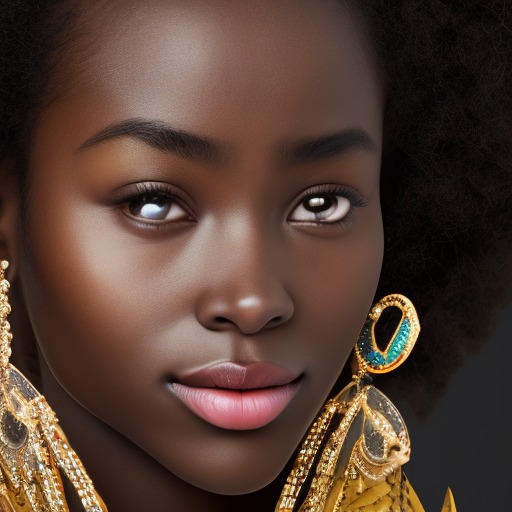
The Dinka people of South Sudan are the largest ethnic group in the country, with a population of over 4 million. They are found in the Bahr el Ghazal region in the southwest and Greater Upper Nile.
The Dinka people are known for their unique cattle herding practices and colorful beaded jewelry. They have a rich history, culture, and traditions that have fascinated people worldwide. In this article, we will delve deeper into the customs and traditions of this fascinating tribe, exploring their history, beliefs, and daily lives.
History of the Dinka People
The Dinka people have a long and rich history of over 5000 years. They are believed to have migrated from the Nuba Mountains in Sudan to their present-day location in South Sudan. The Dinka people have a strong oral tradition, and their history has been preserved through stories passed down from generation to generation. The Dinka people have been involved in many conflicts throughout their history. In the 19th century, they were engaged in a long and bloody struggle against the Arab slave traders. In the 20th century, they were involved in the civil war that led to the creation of South Sudan as an independent country. Today, the Dinka people face many challenges, including poverty, disease, and conflict.
Traditional Dinka Beliefs and Religion
The Dinka people have a rich tradition of animism, which is the belief that all things, including animals, plants, and even inanimate objects, have a spirit or soul. They believe that their ancestors play an essential role in their lives and that they can communicate with them through prayer and ritual.
The Dinka people also believe in a supreme being known as Nhialic. They think that Nhialic created the world and is responsible for maintaining the balance of nature. Nhialic is often depicted as a benevolent figure who can be prayed to for protection and guidance.
Dinka Social Structure and Daily Life
The Dinka people have a complex social structure based on age, gender, and social status. The society is divided into clans, each family having customs and traditions. The men are responsible for cattle herding, while the women are responsible for domestic tasks such as cooking and cleaning. Daily life for the Dinka people revolves around their cattle herding practices. They wake up early in the morning to move their cattle to a new grazing area and spend much of the day tending to their animals. In the evenings, they gather around a fire to eat and socialize.
Conclusion
The Dinka people of South Sudan are a fascinating and resilient culture with a rich history and traditions. From their unique cattle herding practices to their colorful beaded jewelry, the Dinka have a way of life that is both mesmerizing and intriguing. Despite their many challenges, the Dinka people remain proud of their culture and traditions, and they continue to celebrate their heritage through music, dance, and art. If you are interested in experiencing Dinka culture firsthand, there are several ways to do so, including cultural exchange programs and cultural festivals. So, discover what makes the Dinka people so unique and special.


Leave a comment