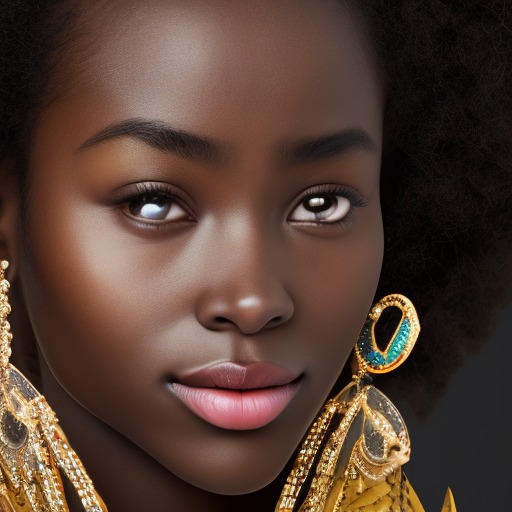
Dinka tribe, also known as Jiɛ̈ɛ̈ŋ. They are a Nilotic ethnic group native to South Sudan, and their population is around 4.5 million people. The Dinka tribe is known for its traditional forms of agriculture and pastoralism, mainly located along the Nile River. They are also considered to be the tallest people in Africa.
The Dinka Tribe Jiɛ̈ɛŋ’s marriage traditions are deeply rooted in their culture and beliefs. Marriage is regarded as an essential part of life, and it is a sacred institution that is highly valued in Dinka society. In Dinka culture, marriage is not just a union between two individuals but also between two families. Therefore, the whole community is involved in the marriage process, strengthening family bonds. Unlike in Western cultures, where marriage is often based on love and romance, in Dinka culture, it is primarily a practical arrangement. The primary goal of marriage is to ensure the continuity of the family lineage and to secure the family’s future.
The importance of cattle in Dinka marriage
Cattle play a significant role in Dinka marriage traditions. In Dinka culture, cattle are seen as a symbol of wealth, and the community highly values them. In a Dinka marriage, the groom’s family is required to pay a bride price to the bride’s family. The bride price is usually paid for cattle, and the number of cattle needed varies depending on the bride’s social status and beauty.
Cattle are also used to pay for the services of the marriage mediator, who is responsible for negotiating the bride price and other terms of the marriage. The mediator is usually a respected member of the community, and their role is crucial in ensuring that both families are satisfied with the terms of the marriage.
The role of the bride’s family in Dinka marriages
In Dinka culture, the bride’s family plays a significant role in marriage. The bride’s family is responsible for ensuring that the groom’s family meets the required bride price, and they also have the power to approve or reject the marriage proposal. Before the marriage can be finalized, the bride’s family conducts a background check on the groom’s family. They also consult with their ancestors to determine if the marriage is auspicious. If the bride’s family approves the marriage proposal, they will select a date for the wedding ceremony.
References:
[1] Dinka people


Leave a comment