
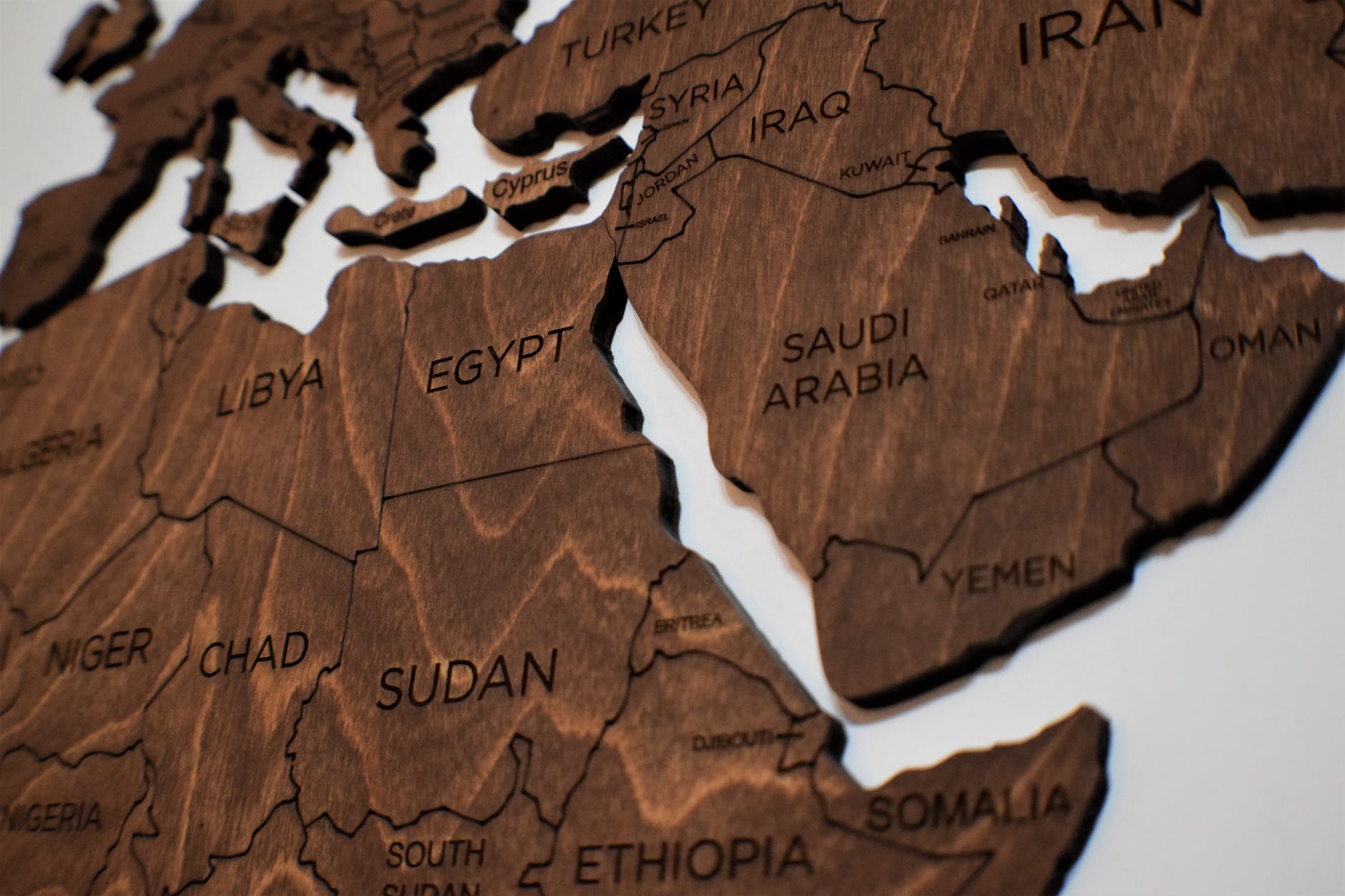
The war in Sudan has been one of the world’s most protracted and deadliest conflicts, spanning over three decades. The conflict has been fought on multiple fronts, with various factions vying for control of the country. Ethnic and religious tensions, political power struggles, and a fight over resources have characterized it. The situation in Sudan is complex, with multiple players involved, making it difficult to resolve peacefully.
Historical Background of the Conflict
The roots of the conflict can be traced back to the early years of Sudan’s independence. The country’s diverse population comprises over 500 ethnic groups, each with unique culture and traditions. Soon after independence, the country became embroiled in a civil war between the North and the South, fueled by a dispute over resources, power, and governance. The conflict was also driven by religious and cultural differences, with the North being predominantly Muslim and the South being Christian or animist.
The war ended in 1972 with the signing of the Addis Ababa Agreement, which granted the southern region autonomy. However, the peace was short-lived, and the conflict reignited in the early 1980s. This time, the conflict was fought along ethnic lines, with the South seeking independence from the North. The competition attracted international attention, and in 2005, a Comprehensive Peace Agreement was signed, ending the war and granting the South autonomy. However, the peace was once again short-lived, and in 2011, South Sudan seceded, resulting in a new conflict in the border regions.
Key Players in the War
The conflict in Sudan has involved multiple factions, each seeking to gain control of the country. The primary players in the competition have been the government of Sudan, the Sudanese People’s Liberation Movement (SPLM), and the Janjaweed militia. The government of Sudan, led by President Omar al-Bashir, has been accused of supporting the Janjaweed militia, which has been responsible for the majority of atrocities committed during the conflict. The SPLM has been fighting for independence in the southern region of Sudan and is now the ruling party in South Sudan.
Causes of the War
Many factors, including ethnic and religious tensions, political power struggles, and a fight over resources, have fueled the war in Sudan. External factors, including the involvement of neighboring countries such as Chad and Libya, have also driven the conflict. The government of Sudan has been accused of supporting extremist groups, including Al-Qaeda, and has been subject to international sanctions.
The conflict has also been driven by economic factors, with the government of Sudan seeking to control the country’s oil resources. The Janjaweed militia has been accused of forcibly displacing communities to gain access to fertile land and water resources. The conflict has resulted in the deaths of over 300,000 people and the displacement of millions.
Impact of the War on the People of Sudan
The impact of the war on the people of Sudan has been devastating. The conflict has led to the displacement of millions of people, with many forced to flee their homes and seek refuge in neighboring countries. The competition has also destroyed infrastructure, including schools, hospitals, and roads, challenging access to essential services.
The war has also severely impacted the country’s economy, with the conflict disrupting trade and investment. The country’s oil industry, which accounts for a significant portion of its revenue, has been severely affected, leading to a decline in economic growth. The war has also substantially impacted the country’s social fabric, with communities divided along ethnic and religious lines.
International Response to the War
The international community has been actively involved in efforts to resolve the conflict. The United Nations has provided humanitarian aid and assistance to those affected by the conflict. The African Union has also been involved in efforts to bring about a peaceful resolution to the contest.
The international community has also imposed sanctions on the government of Sudan, targeting individuals and entities responsible for human rights violations and supporting extremist groups. The government of Sudan has been subject to travel bans, asset freezes, and arms embargos.
Efforts Towards Peace and Reconciliation
Efforts toward peace and reconciliation have been ongoing, with various initiatives to end the conflict. The Comprehensive Peace Agreement signed in 2005 was a significant milestone in efforts toward ending the conflict. The agreement granted the South autonomy and paved the way for the secession of South Sudan in 2011.
Regional organizations, including the African Union and the Intergovernmental Authority on Development (IGAD), have also led efforts toward peace and reconciliation. The IGAD-led peace process resulted in the signing of the Revitalized Agreement on the Resolution of the Conflict in South Sudan in 2018, which aimed to end the conflict in South Sudan.
Humanitarian Aid and Assistance
The conflict has resulted in a significant humanitarian crisis, with millions of people needing urgent assistance. The United Nations and other humanitarian organizations have been actively involved in providing aid and service to those affected by the conflict. The UN has provided food, shelter, and medical assistance to those displaced by the competition.
The UN has also been involved in efforts to protect civilians and promote human rights in Sudan. The UN Mission in Darfur (UNAMID) was established in 2007 to protect civilians and promote peace and stability in the region.
Future Prospects for Sudan
The prospects for Sudan are uncertain, with the conflict still ongoing. The competition has severely affected the country’s economic and social fabric, making building a peaceful and prosperous future challenging. The government of Sudan and the various factions involved must work together to resolve the conflict peacefully.
The international community must also continue to provide humanitarian aid and assistance to those affected by the conflict. The United Nations and other organizations must continue to promote human rights, protect civilians, and foster peace and stability in Sudan.
Conclusion
The war in Sudan has been one of the world’s deadliest and most protracted conflicts, spanning over three decades. Ethnic and religious tensions, political power struggles, and resource fights have fueled the conflict. The impact of the war on the people of Sudan has been devastating, with millions displaced and infrastructure destroyed. Efforts toward peace and reconciliation have been ongoing, but the situation in Sudan remains complex. The international community must continue to support those affected by the conflict and promote peace and stability in the region. Only by working together can we end this devastating conflict and build a peaceful and prosperous future for Sudan


 WIKI SouthSudan
Leave a comment